
Facial eczema - the 3 W's
Date: 6 Apr 2026
The peak of the FE season is upon us, so now is the time to act if you haven’t done so already.
When thinking about FE, it is important to think about the 3 W’s: Warm, Wet and (W)rotten.
- Warm = Facial eczema most commonly occurs once the mean evening temperatures stay above 12 degrees Celsius
- Wet = Moisture is needed for the fungus to grow; high humidity and showers of rain are ideal for fungal growth
- (W)rotten = Dead matter is the preferred breeding ground of the fungus that causes FE. With the way the pastures have rapidly gone to seed this year, dead matter will likely be present in many pastures.
FE symptoms occur due to the ingestion of fungal spores, causing liver damage, which results in loss of appetite, skin peeling, shade seeking, facial swelling, agitation and possible death.
FE is a disease where prevention is better than cure. There are several possible strategies to prevent FE:
- Spraying pastures with a product to prevent fungal growth can be very effective, but timing is crucial and can be tricky, especially if a rain shower washes away the product.
- Use of ‘safe’ supplementary feeds, as the fungus that causes FE prefers to grow on ryegrass, crops such as turnips, maize, chicory, meal, PKE, and silage/baleage are considered ‘safe’ as these feeds will have minimal or no spores.
- Supplementation with zinc has been the backbone of FE prevention for many years. Dry stock do not drink enough water for trough supplementation to be effective during moderate- to high-challenge seasons. Therefore, bolus supplementation with products such as Faceguard is considered the best option. When given at the correct doses, Zinc is very effective at preventing FE, but if too much is given, Zinc can also be very toxic, so talk to us about the correct dose/bolus size if you are in any doubt.
When to supplement?
- The FE season usually begins in January or when we get ideal conditions. Remember the 3 W’s
- FE season can go on longer than you think, don’t stop treatment too early
- Once you begin supplementation, it takes 7-10 days for protective levels to be reached, leaving supplementation until you see cases is too late!
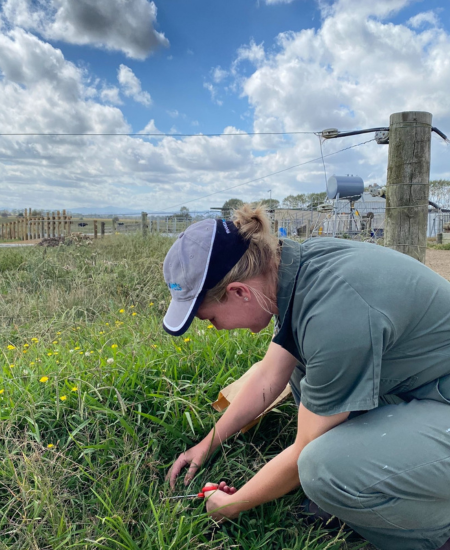
- Monitor our website for spore counts in your area, or even better, bring a pasture sample to us for a count. Samples need to be 60g, cut the grass off at ground level without soil/roots and make sure you get a sample from across the entire paddock for an accurate count.
For more information, talk to your local Franklin Vets team.
Dr Jennifer Stone BVSc (Dist)
Back...