




Pet Emergencies

When should you seek immediate veterinary care for your pet?
- Severe or persistent bleeding (over 5 minutes)
- Choking, difficulty breathing, or constant coughing/gagging
- Inability to urinate or defecate, or pain when doing so
- Eye injuries
- Suspected poisoning (e.g. antifreeze, xylitol,t bait)
- Seizures or staggering
- Broken bones, severe limping, or immobility
- Signs of extreme pain or anxiety
- Heatstroke or heat stress
- Unconsciousness.
We’ll do everything we can to see your pet as quickly as possible. Your calm, quick action helps us help them faster.
What to do in a pet emergency
Call ahead
Let us know you're coming—this helps us prepare and speeds up treatment.
Handling your pet
Injured animals may bite. Use a blanket to lift them safely.
Poisoning
Tell us what your pet ate. Bring packaging if it's a chemical.
Seizures
If a seizure lasts over 10 minutes, come in immediately. Keep your pet safe and avoid bites.
Heatstroke
Cool your pet quickly with a hose. Avoid wet towels—they trap heat.
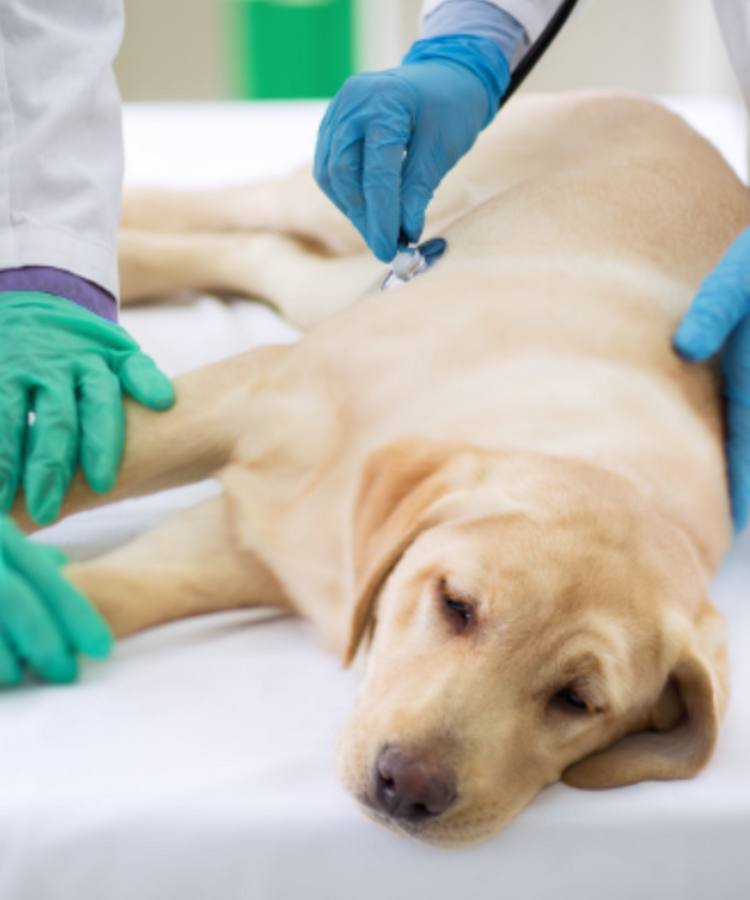
Call Ahead
This helps us plan for your arrival and ensures we have a vet available to help your animal. It also saves time when you get here. Remember animals in pain may lash out. Placing a blanket over the animal to lift it can protect you from getting bitten.

Frequently asked questions
What is a pet emergency?
A pet emergency is any condition that needs immediate veterinary attention, such as difficulty breathing, collapse, severe bleeding, poisoning, seizures, or major trauma.
When should I take my pet to the vet urgently?
Seek urgent veterinary care if your pet is struggling to breathe, has collapsed, is bleeding heavily, has been poisoned, or appears to be in severe pain.
What should I do if my pet eats something toxic?
Contact us immediately. Tell us what was eaten, how much, and when it happened.
What should I do if my pet has trouble breathing?
Breathing difficulties are always an emergency. Keep your pet calm and contact us immediately.
What are the signs of heatstroke in pets?
Common signs include excessive panting, drooling, weakness, vomiting, collapse, and disorientation.
Is vomiting or diarrhoea an emergency?
It can be. Seek veterinary care if symptoms are severe, persistent, bloody, or accompanied by lethargy or pain.
What should I do if my pet is having a seizure?
Keep them safe from injury, avoid touching their mouth, and contact us immediately.
What should I do if my pet has been hit by a car?
Seek veterinary care straight away. Internal injuries are not always visible.