


Herd efficiency consults
Improve herd performance & profitability
For dairy farmers who want to improve herd performance and profitability. Structured, vet-led advisory meetings to help you stay on track with your farm goals across the season.
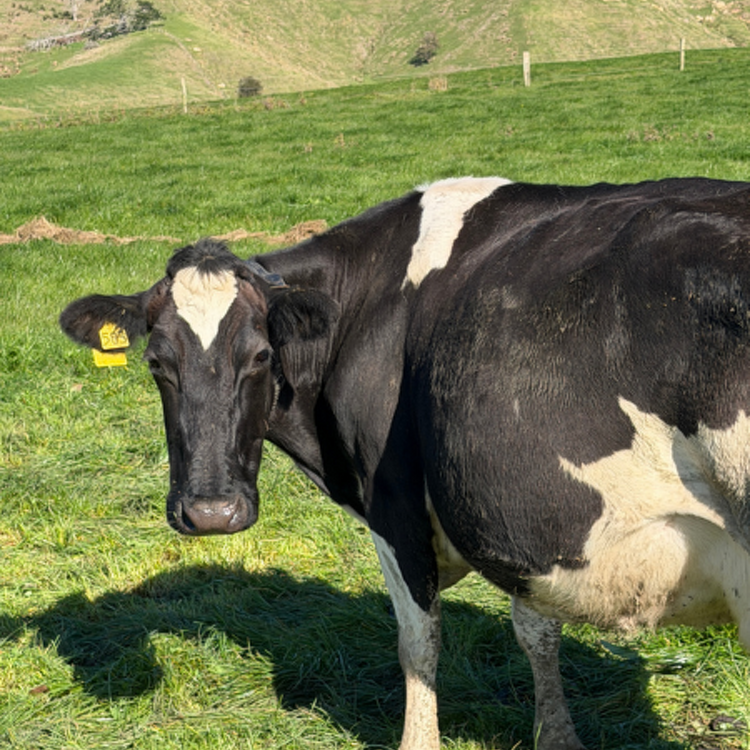
What are Herd Efficiency Consults?
- A structured programme of advisory meetings across the farming season.
- Focused on improving herd productivity and efficiency.
- Tailored to your farm’s specific goals and priorities.
- Designed to provide ongoing support, not just one-off advice.
What areas can be covered?
Programmes are customised and may include:
- Mastitis
- Reproduction
- Metabolic management
- Production
- Lameness
- Youngstock
- Welfare
- Nutrition
- Disease planning.
How does the programme work?
- Start with an annual animal health review and set clear seasonal goals
- Schedule consults at key points across the season
- Use the right tools and services with guidance from your vet
- Finish each visit with a practical plan and clear next steps.
When do consults happen?
Early lactation:
Review transition and early performance, identify risks, prioritise key actions.
Mid lactation:
Maintain momentum during peak production.
Late lactation:
Review results and make decisions for the rest of the season and next season.
Dry period:
Strengthen plans and prepare for the upcoming season.
Why farmers use Herd Efficiency Consults
Focus on action:
Practical plans with follow-through at every visit.
Structured support:
A consistent framework tailored to your farm.
Ongoing progress:
Each consult builds on the last.
Clear communication:
Simple reporting and defined next steps.
What to expect:
- Regular, structured check-ins with your vet that keep your farm focused on the right priorities.
- Each visit includes a review of progress, practical recommendations, and clear actions—helping you use your farm data effectively and make measurable improvements over time.
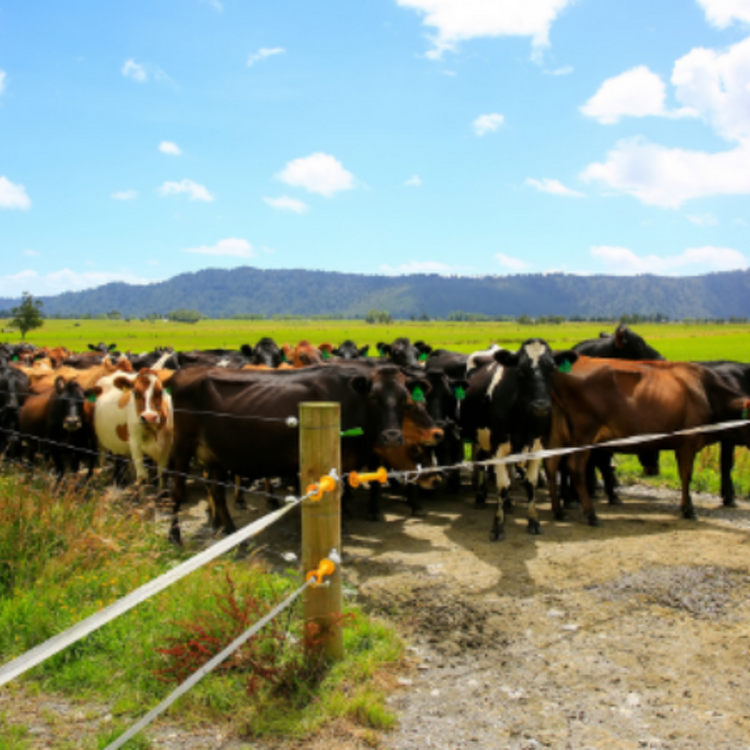
Improve herd performance & profitability
Talk to your local Franklin Vets clinic to set up your Herd Efficiency Consult programme.