




Pet Desexing
What to expect during your pets desexing procedure
We offer desexing procedures for cats, dogs and other small mammals in our surgical theatres. All patients receive pain relief during their stay and take-home painkillers or a long-acting injection for comfort.
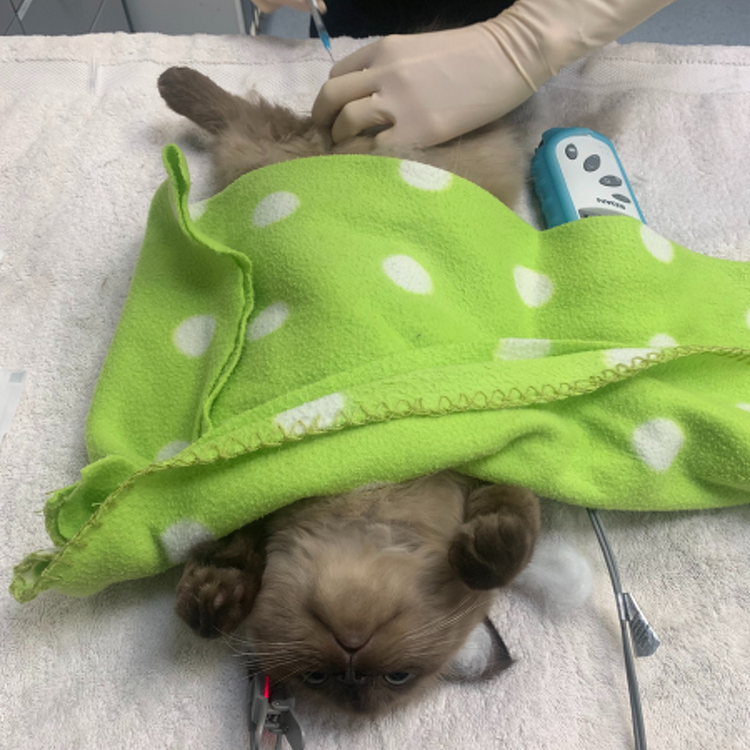
Cat desexing: what you need to know
- Ideal age: 4 months and over 1kg.
- Females: Prevents unwanted pregnancies and mammary cancer.
- Males: Reduces roaming, fighting, abscesses, and FIV transmission.
- Monitoring: Heart rate, breathing, blood pressure, and temperature are tracked throughout surgery.
- Pain relief: All patients receive pain relief during their stay and take-home painkillers or a long-acting injection for comfort.
- Aftercare: We provide verbal follow-up checks 2 days post-surgery and a revisit around 7 days post-surgery to ensure proper healing.
Dog desexing: what you need to know
Neutering males
- Low-risk, day procedure.
- Reduces aggression, roaming, and risk of testicular and anal cancers.
- Improves focus and reduces hernias.
- Monitoring: Heart rate, breathing, blood pressure, and temperature are tracked throughout surgery.
- Pain relief: All patients receive pain relief during their stay and take-home painkillers or a long-acting injection for comfort.
- Aftercare: We provide verbal follow-up checks 2 days post-surgery and a revisit around 7 days post-surgery to ensure proper healing.
- Recovery: 4–5 days rest.
- Discuss with our team about feeding a neutered diet post-surgery to prevent weight gain.
Speying females
- More involved surgery, best done before their first heat.
- Prevents uterine infections, breast tumours, and heat cycles.
- Monitoring: Heart rate, breathing, blood pressure, and temperature are tracked throughout surgery.
- Pain relief: All patients receive pain relief during their stay and take-home painkillers or a long-acting injection for comfort.
- Aftercare: We provide verbal follow-up checks 2 days post-surgery and a revisit around 7 days post-surgery to ensure proper healing.
- Recovery: 2 weeks rest.
- Must wait 6 weeks post-heat to perform surgery.
- Discuss with our team about feeding a neutered diet post-surgery to prevent weight gain.
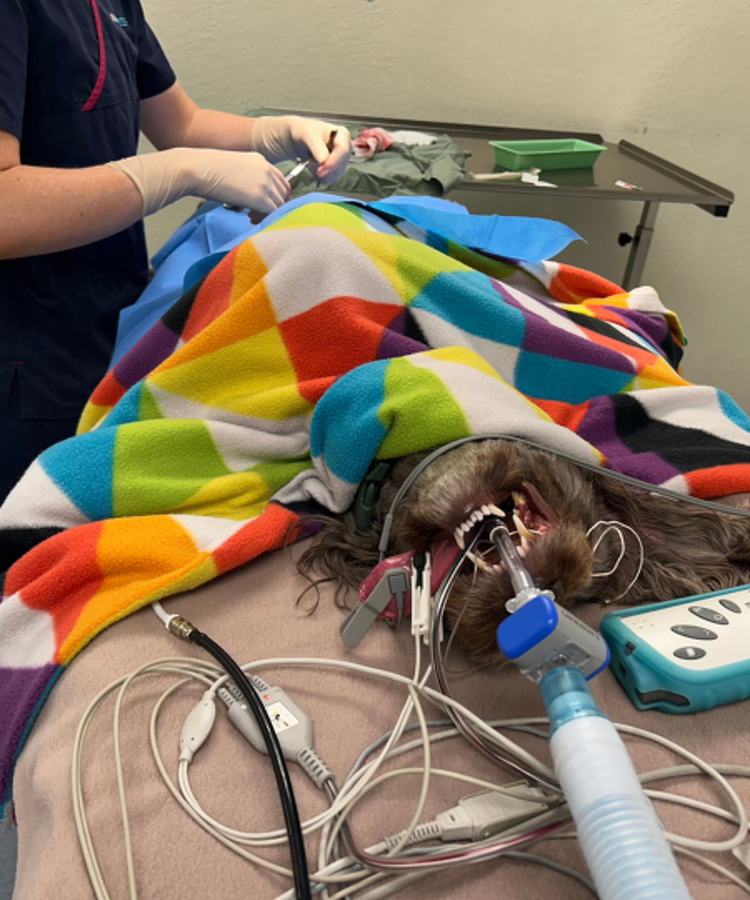
Desexing video
Watch Fletcher the black lab's desexing video, and see the Franklin Vets difference.
Why desex your pets?
Desexing helps control pet overpopulation. One unspeyed animal can lead to thousands of unwanted offspring. With more pets than homes in New Zealand, many animals face euthanasia. Desexing is the most effective way to prevent this.
Frequently asked questions
What is desexing?
Desexing is a surgical procedure that prevents your pet from reproducing.
When should I desex my pet?
The best age depends on your pet's species, breed, size, and lifestyle. Our team can recommend the right timing for your pet.
What are the benefits of desexing?
Desexing helps prevent unwanted litters and may reduce the risk of some health and behavioural issues.
Is desexing safe?
Desexing is a routine procedure performed under general anaesthetic with pain relief provided before, during, and after surgery.
How long does it take to recover from desexing?
Most pets recover well within 10-14 days, although recovery times can vary.
What should I expect on the day of surgery?
Your pet will be admitted in the morning, undergo surgery, recover under veterinary supervision, and usually return home the same day.